The 60-Year Secret: How One Woman's Late-Life Learning Revolution Reached Thousands
The Weight of Secrets
For sixty years, Dolores Martinez carried a secret heavier than any burden she'd shouldered in the cotton fields of South Texas. She couldn't read.
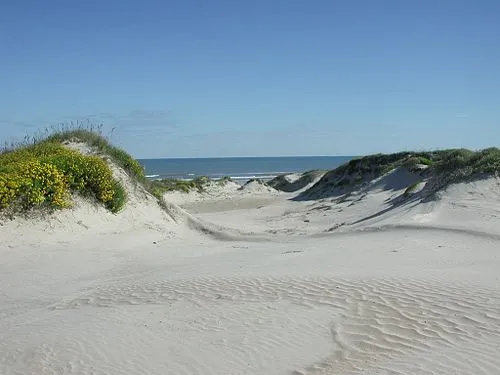 Photo: South Texas, via upload.wikimedia.org
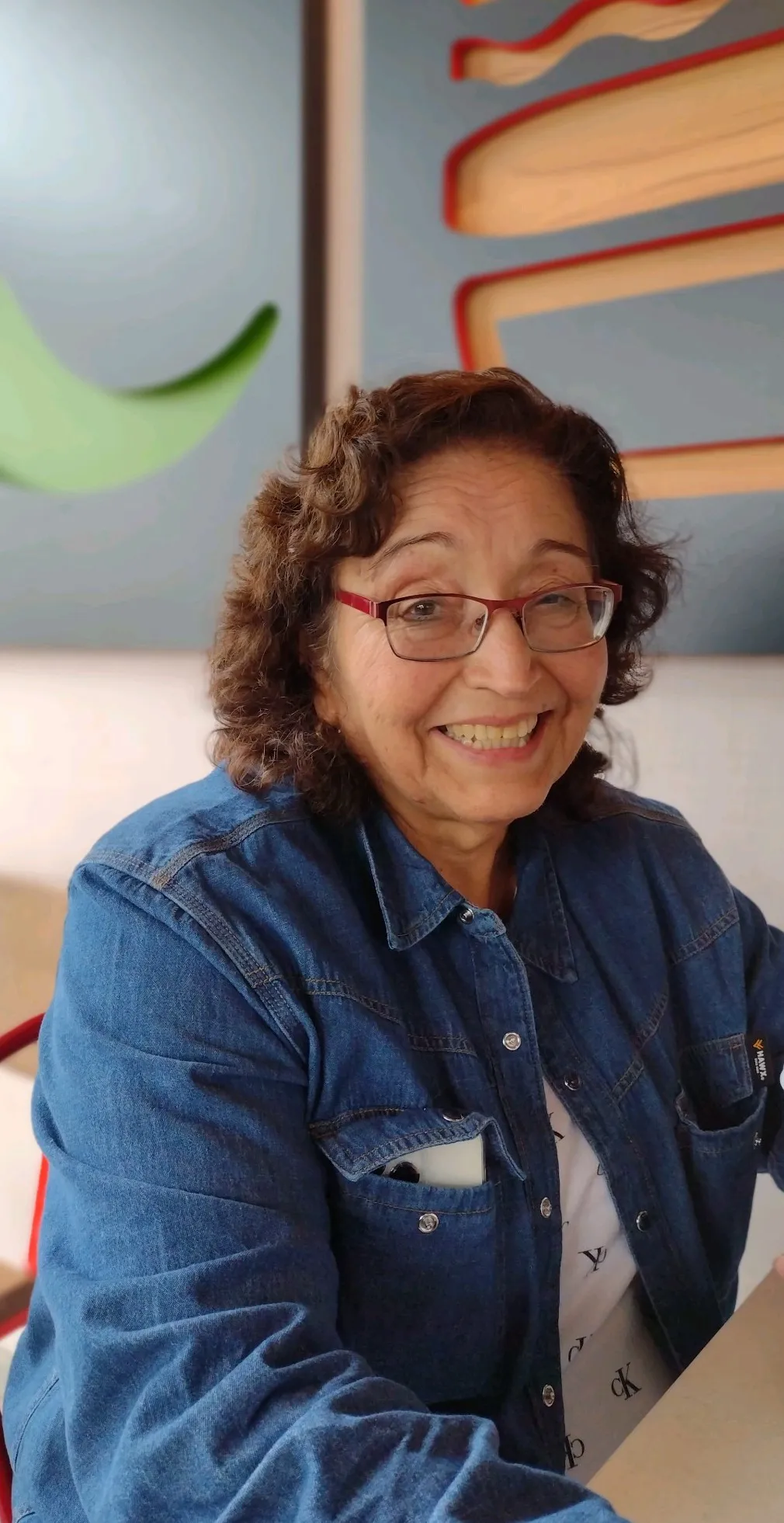 Photo: Dolores Martinez, via www.eastbaytimes.com
Not the complicated words in legal documents or medical forms — she couldn't read anything. Not street signs. Not grocery labels. Not the bedtime stories her five children begged her to share.
Dolores had become a master of deception. She memorized bus routes by landmarks. She shopped by recognizing package colors and shapes. When her kids brought home school papers requiring her signature, she traced letters her oldest daughter had written for her on a piece of cardboard hidden in the kitchen drawer.
"I got real good at pretending," Dolores would later say. "Maybe too good."
The daughter of migrant workers, Dolores had started picking cotton at age seven instead of attending school. Her parents needed every hand in the fields to survive. By the time she was old enough to make her own choices, illiteracy felt like a prison with walls too high to climb.
The Moment Everything Changed
In 1987, Dolores was 59 years old and working her second shift as a hospital custodian when she witnessed something that shattered her carefully constructed world. A young mother was crying in the pediatric ward, holding a prescription bottle with shaking hands.
"I can't read what this says," the woman whispered to a nurse. "Is this going to help my baby or hurt him?"
Dolores recognized the shame in the woman's voice — the same shame she'd carried for decades. But seeing it reflected in someone else's face made her realize something profound: she wasn't alone, and staying hidden wasn't protecting anyone.
That night, Dolores made a decision that terrified her. She was going to learn to read.
Starting Over at 60
Finding an adult literacy program in rural Texas in 1987 wasn't easy. Dolores called every number in the phone book — a challenge that required her to memorize which symbols meant what. Finally, a librarian in the nearest city told her about a basic reading class held Tuesday nights at the community college.
The first night, Dolores sat in her car for twenty minutes before finding the courage to walk inside. The classroom held twelve adults, ranging in age from 18 to 73. Some were immigrants learning English. Others, like Dolores, were Americans who'd fallen through the cracks.
"I felt like I was 100 years old and five years old at the same time," she remembered.
Learning to read at 60 meant rewiring a brain that had spent six decades finding workarounds. Letters that looked similar — 'b' and 'd', 'p' and 'q' — refused to stay put. Simple words like 'the' and 'was' seemed to rearrange themselves on the page.
But Dolores had spent her life solving impossible problems with limited resources. She treated reading like any other skill she'd had to master: with patience, repetition, and stubborn determination.
The First Book
Six months after starting classes, Dolores read her first complete book: "Green Eggs and Ham" by Dr. Seuss. She was alone in her kitchen at 2 AM when she reached the final page, and she cried for an hour.
Not because the book was profound — though to her, it was. She cried because for the first time in her life, she'd opened a book, started at the beginning, and understood every single word by the end.
The next morning, she drove to her daughter Maria's house and read the book aloud to her three-year-old grandson, Carlos. It was the first time she'd ever read to any of her family.
"Grandma," Carlos said when she finished, "that was a really good story."
Dolores had never heard sweeter words.
Discovering She Wasn't Alone
As Dolores's reading improved, she started noticing things she'd missed before. The woman at the grocery store who always asked the cashier to "help her find something" was actually asking for help reading labels. The man at the bus stop who claimed his glasses were broken was squinting at a schedule he couldn't decipher.
According to her literacy teacher, nearly 15% of adults in their rural county couldn't read at a functional level. Most, like Dolores had been, were invisible — too ashamed to seek help, too skilled at hiding their struggle.
"I started thinking," Dolores said, "what if they didn't have to hide?"
Building Something From Nothing
In 1989, at age 61, Dolores did something that would have been impossible two years earlier: she wrote a letter. Addressed to the editor of the local newspaper, it began, "My name is Dolores Martinez, and I learned to read when I was 60 years old."
The letter described her experience and issued a challenge to the community: "If there's one person like me, there's probably fifty. We need to do something about that."
The response overwhelmed her. Phone calls poured in from adults who'd been hiding their illiteracy for decades. Some cried when they heard Dolores's story. Others just wanted to know if it was really possible to learn at their age.
Within a month, Dolores had organized the first meeting of what would become the "Second Chance Readers" — a support group for adult learners meeting in the basement of St. Mary's Catholic Church.
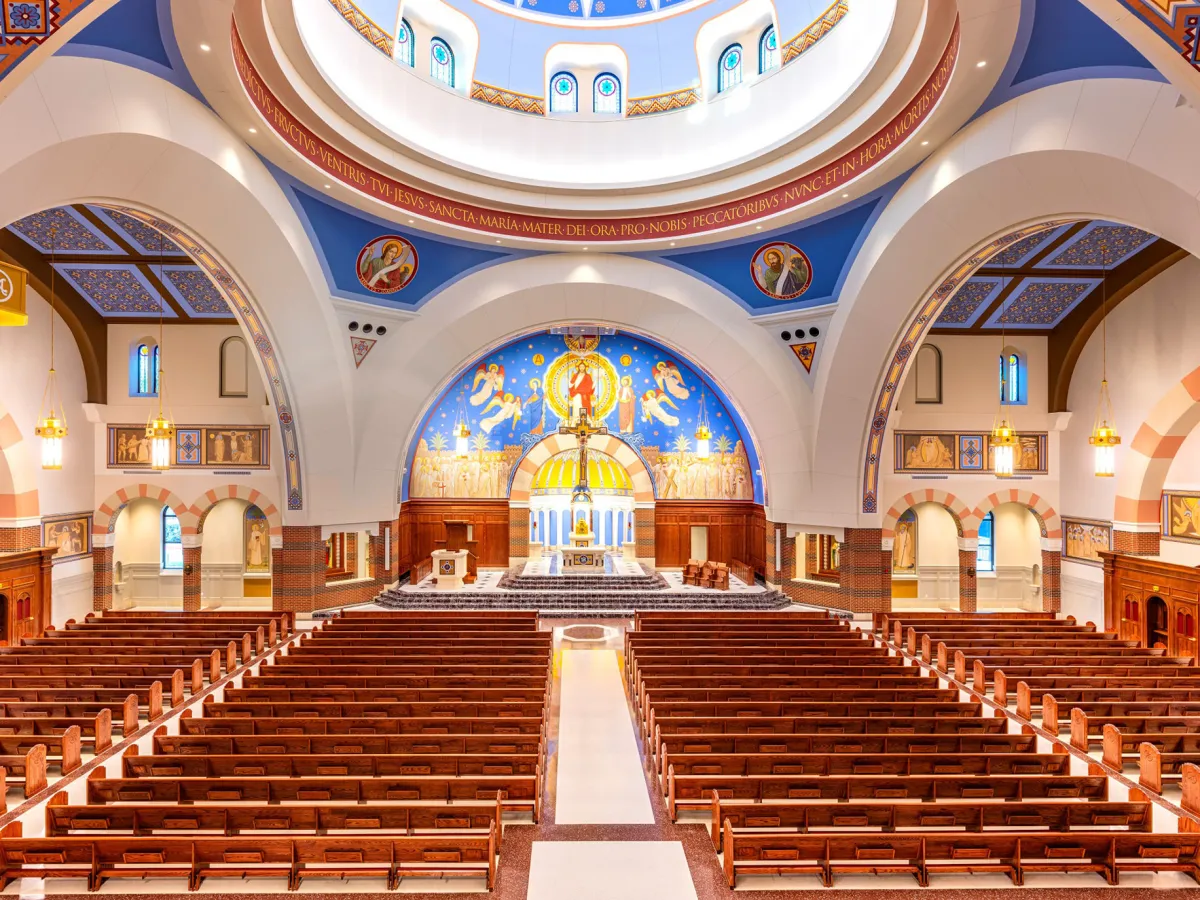 Photo: St. Mary's Catholic Church, via www.brwarch.com
The Grassroots Empire
What started as a support group evolved into something much larger. Dolores realized that the existing adult education programs, while well-intentioned, weren't reaching the people who needed them most. The classes were held in intimidating institutional settings, required formal enrollment, and assumed students could navigate bureaucratic processes.
Dolores took a different approach. She brought literacy education to where people already were.
She set up reading circles in church basements, community centers, and even people's living rooms. She partnered with local businesses to offer classes during lunch breaks. She convinced the library to stay open late one night a week for adult learners who worked during regular hours.
Most importantly, she trained other adult learners to become peer tutors. Who better to teach someone ashamed of their illiteracy than someone who'd overcome the same shame?
The Ripple Effect
By 1995, the Second Chance Readers had helped more than 300 adults in their county learn to read. But Dolores's vision had grown beyond local impact. She started corresponding with literacy advocates across Texas and beyond, sharing her model of community-based, peer-led education.
The approach spread organically. A teacher in Oklahoma adapted Dolores's methods for her rural district. A social worker in Arkansas used the peer-tutoring model in her adult education program. A librarian in New Mexico started hosting "Second Chance" reading circles in three different communities.
Dolores began traveling to share her story and train other advocates. Despite having learned to read just a few years earlier, she found herself speaking at state education conferences and congressional hearings on adult literacy.
The Numbers That Matter
By the time Dolores retired from active advocacy in 2005, the Second Chance Readers model had reached an estimated 15,000 adults across twelve states. But she never focused on the big numbers.
"Every person who learns to read teaches someone else," she'd say. "Maybe their kid, maybe their neighbor. It keeps going."
Research backed up her intuition. Studies showed that adults who learned to read through community-based programs like hers were more likely to continue their education, find better jobs, and become advocates for their children's learning.
The Legacy Continues
Dolores Martinez died in 2018 at age 90, thirty-one years after learning to read her first word. Her funeral drew hundreds of people, including adults from across the Southwest who credited her with changing their lives.
But perhaps the most fitting tribute came from her great-grandson, who read a poem he'd written about her at the service. The little boy whose grandmother had once hidden her illiteracy was now celebrating a woman who'd spent three decades proving it's never too late to start over.
Today, variations of the Second Chance Readers model operate in communities across America. The approach Dolores pioneered — meeting people where they are, removing barriers to learning, and harnessing the power of peer support — has become a cornerstone of modern adult literacy education.
The Real Revolution
Dolores Martinez's story isn't just about learning to read at 60. It's about what becomes possible when we stop accepting limitations as permanent.
She spent sixty years believing she was too old, too set in her ways, too far behind to change. Then she discovered that the only real barrier had been her own belief that change was impossible.
The woman who once hid in shame became a voice for thousands who'd been hiding too. She proved that transformation doesn't have an expiration date — and that sometimes our greatest contributions come not from what we've always known, but from what we finally find the courage to learn.
In a world that often writes people off after a certain age, Dolores Martinez wrote a different ending. She showed that sixty years of secrets could become thirty years of service, and that the courage to start over can ripple outward in ways we never imagine.
Her revolution wasn't just personal. It was proof that it's never too late to rise from nothing — and help others do the same.