Two Fortunes, Two Comebacks: How George Foreman Lost Everything and Found Something Better
The Mean Streets of the Fifth Ward
George Foreman grew up in Houston's Fifth Ward, where survival meant learning to fight before you learned to read. By age fifteen, he was a school dropout and petty criminal, heading straight for prison or worse. Then a government program called the Job Corps offered him a choice: learn a trade or keep running toward nowhere.
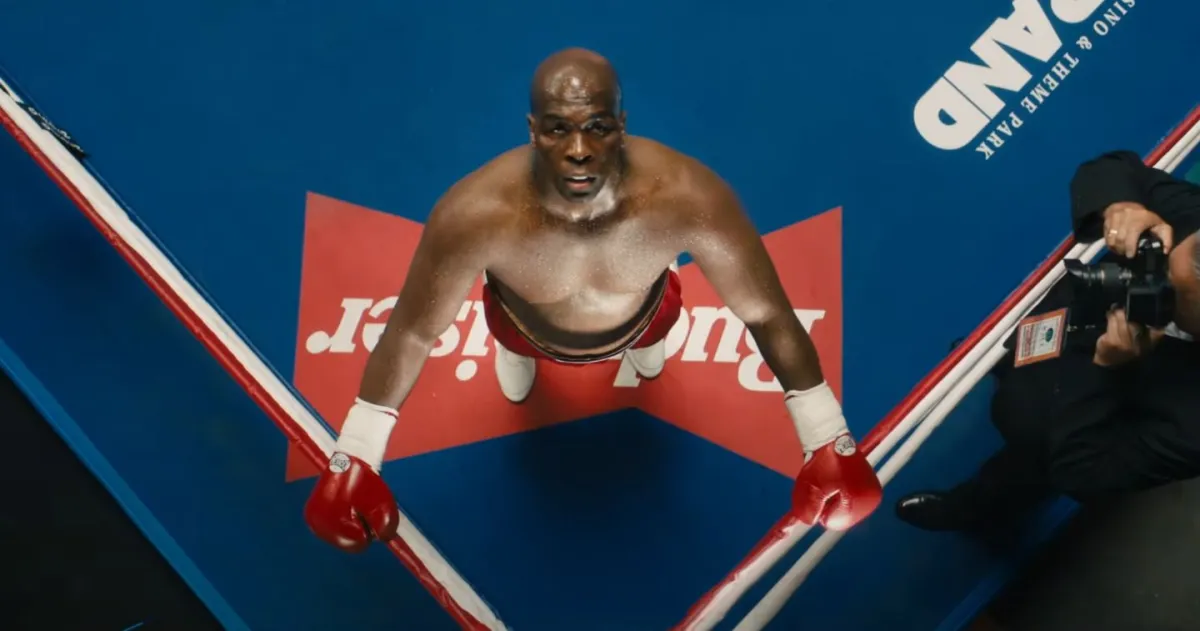 Photo: George Foreman, via static1.moviewebimages.com
Foreman chose the Job Corps. More importantly, he chose boxing.
Within five years, this angry kid from the streets was standing in the ring in Mexico City, winning Olympic gold and waving tiny American flags. By 1973, he'd knocked out Joe Frazier to become heavyweight champion of the world. George Foreman had made it.
 Photo: Mexico City, via cdn.britannica.com
Then he lost it all.
The First Fall
The boxing world expected Foreman to dominate for years. Instead, Muhammad Ali pulled off the "Rope-a-Dope" in Zaire, and suddenly Foreman's aura of invincibility was gone. Worse losses followed. By 1977, he was done with boxing, broke, and spiritually empty.
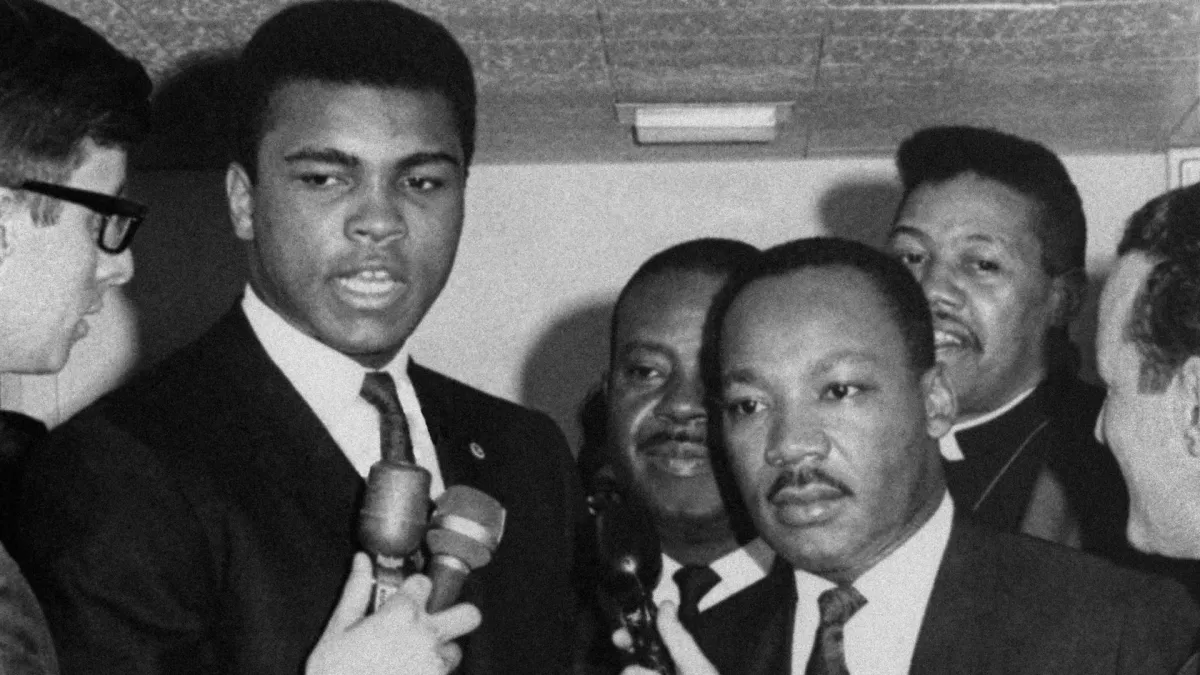 Photo: Muhammad Ali, via image.pbs.org
That's when something unexpected happened. During a fight in Puerto Rico, Foreman experienced what he called a religious awakening. He walked away from boxing immediately, became an ordained minister, and moved back to Texas to preach.
For ten years, George Foreman was just another small-town preacher, running a youth center and trying to help kids avoid the mistakes he'd made. The boxing world forgot about him. His bank account certainly did.
The Impossible Return
By 1987, Foreman's youth center was running out of money. At 38, overweight and a decade removed from serious training, he made an announcement that shocked the sports world: he was returning to boxing.
The comeback seemed delusional. Foreman was older, slower, and softer than he'd ever been. Boxing experts called it embarrassing. Some called it dangerous.
They were all wrong.
Foreman began methodically working his way through younger, supposedly superior opponents. His strategy was simple: absorb punishment while looking for one perfect shot. It worked surprisingly often.
The Second Peak
On November 5, 1994, at age 45, George Foreman knocked out Michael Moorer to reclaim the heavyweight championship. He became the oldest heavyweight champion in history, twenty years after winning the title the first time.
But the real victory wasn't in the ring—it was in the business deals that followed.
The Grill That Changed Everything
Somewhere between comeback fights, Foreman had started endorsing products to supplement his boxing income. Most athlete endorsements are forgettable. This one was different.
In 1994, Salton Inc. approached Foreman about endorsing a small indoor grill. The product seemed unremarkable—just another kitchen gadget in a crowded market. But Foreman saw something others missed: a way to make his favorite foods without the grease that had contributed to his weight problems.
More importantly, he understood something about American consumers that the marketing experts didn't. People wanted to eat the foods they loved without feeling guilty about it. They wanted convenience without sacrifice.
The Pitch That Built an Empire
Foreman's endorsement strategy was brilliant in its simplicity. Instead of reading scripts, he just talked about the grill the way he'd talk to a neighbor. He demonstrated it himself, cooked on it himself, and genuinely used it himself.
"It knocks out the fat," became his catchphrase, connecting his boxing persona to the product's health benefits. Americans bought the connection—and the grill—by the millions.
The George Foreman Grill became one of the most successful product launches in history. Within five years, it had generated over $200 million in sales.
The Deal of a Lifetime
In 1999, Foreman faced a choice that would define his financial future. Salton offered him either $138 million upfront or a percentage of future sales. His advisors recommended the guaranteed money.
Foreman took the $138 million.
It was the right choice. By that point, the grill had already made him far wealthier than boxing ever had. The endorsement deal generated more money than any athlete had ever earned from a single product partnership.
More Than Money
The grill's success did something unexpected: it rehabilitated Foreman's entire image. The angry young fighter became America's favorite uncle, the guy who'd help you make a healthier burger. His authenticity in the commercials translated into genuine affection from consumers.
Foreman parlayed that goodwill into other business ventures, from restaurants to more product endorsements. But nothing matched the grill's impact on both his finances and his reputation.
The Unlikely Entrepreneur
George Foreman's business success came from understanding something that many trained marketers miss: authenticity trumps polish. He didn't try to be someone he wasn't. He just talked about a product he actually used and believed in.
His approach was the opposite of typical celebrity endorsements. Instead of lending his name to something he'd never touch, he became the product's biggest advocate. When Foreman said the grill worked, people believed him because he clearly used it himself.
From the Ring to the Kitchen
The same qualities that made Foreman a great boxer—persistence, authenticity, and the ability to take a punch—made him an even better businessman. He understood that both boxing and business required the ability to get knocked down and get back up.
His religious awakening also played a crucial role. The man who returned to boxing wasn't the angry young fighter who'd lost to Ali. He was someone who'd learned patience, humility, and the value of genuine connection with people.
The Ultimate Comeback
George Foreman's story is really about two comebacks. The first—returning to boxing at 38—captured headlines and proved his athletic resilience. The second—building a business empire around a kitchen grill—proved something more important: that reinvention is possible at any age.
He went from street tough to champion to preacher to champion again to businessman. Each transformation built on the lessons of the previous one, creating a life that was richer and more varied than any single career could have provided.
Today, more people know George Foreman for his grill than for his boxing. That's not a failure of memory—it's the mark of a man who understood that your greatest success might come from your most unexpected turn. Sometimes the best punch you throw isn't in the ring at all.