The One-Handed Wonder: How Jim Abbott Pitched His Way Into Baseball History
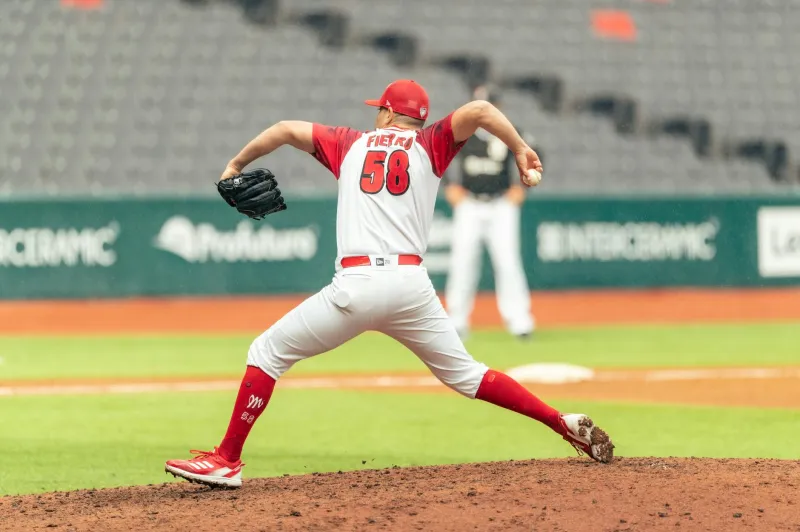
The Kid They Said Would Never Play
In Flint, Michigan, 1967, Kathy and Mike Abbott welcomed their first child into the world. Jim Abbott arrived without a right hand, and within hours, the questions began. Not from his parents—they were too busy figuring out how to love and raise their son—but from a world that immediately started calculating what this baby would never be able to do.
The doctors meant well. They explained prosthetics and adaptive strategies. They talked about realistic expectations. What they didn't mention was that sometimes the thing that makes you different becomes the exact thing that makes you unstoppable.
Jim's father, Mike, had played semi-professional baseball. He wasn't about to let his son's dream die before it started breathing. By age five, Jim was in the backyard, learning to catch a ball with his glove, transfer it to his left hand, and throw it back—all in one fluid motion that would become his signature. The transition took seconds. Opposing batters would spend years trying to time it.
Building a Reputation One Pitch at a Time
High school baseball in Michigan is serious business, but Jim Abbott made it look like child's play. At Flint Central, he posted a 10-3 record with a 0.76 ERA as a senior. College scouts who came to see other players left talking about the left-handed pitcher with the lightning-quick glove work.
The University of Michigan offered him a scholarship, and Abbott seized it. In college, his legend grew. He led the Wolverines to two Big Ten titles and was named the winner of the James E. Sullivan Award as the top amateur athlete in America—the first baseball player to ever receive the honor.
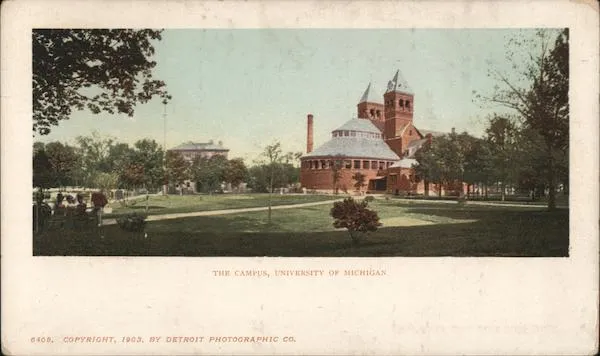 Photo: University of Michigan, via www.cardcow.com
But the real test came in 1988 when Abbott was selected for the U.S. Olympic team. In Seoul, South Korea, he threw the decisive game against Japan, leading Team USA to the gold medal. The kid from Flint had beaten the world's best, and he'd done it on the biggest stage in amateur sports.
The Majors Call
The California Angels drafted Abbott in the first round of the 1988 draft, eighth overall. Most first-round picks spend years in the minor leagues, learning their craft and building confidence. Abbott skipped that step entirely. He went straight from the University of Michigan to Angel Stadium in Anaheim.
His rookie season in 1989 was a revelation. Abbott posted a 12-12 record with a 3.92 ERA, numbers that would be respectable for any pitcher, let alone one whom half the baseball world still considered a novelty act. He wasn't throwing 100 mph fastballs or devastating curveballs. What he was throwing was strikes, and he was throwing them exactly where he wanted them.
The Day That Silenced Every Doubt
September 4, 1993. Yankee Stadium. The New York Yankees versus the Cleveland Indians. Abbott was having a decent season—nothing spectacular, but solid. He'd been traded from California to New York earlier that year, and the pressure of pitching in pinstripes was something he was still adjusting to.
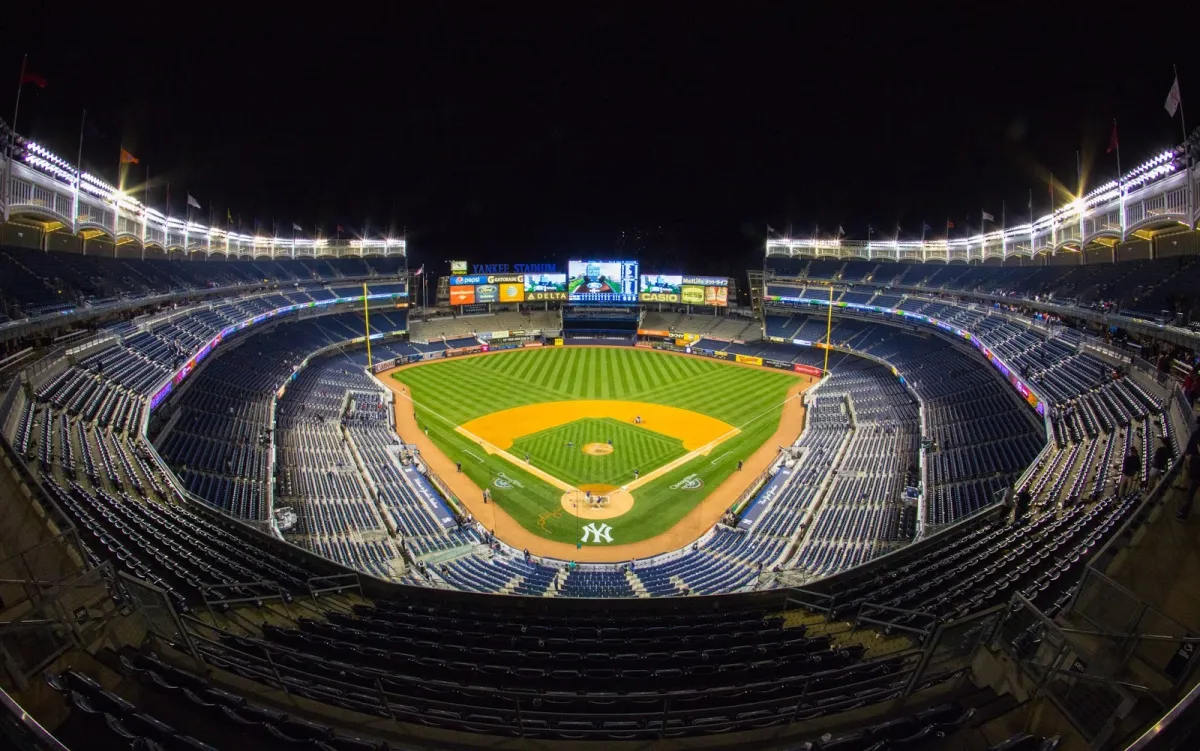 Photo: Yankee Stadium, via 4.bp.blogspot.com
Nobody expected what happened next.
For eight innings, Abbott was perfect. Not just good—perfect. No hits, no walks, no base runners of any kind. The crowd at Yankee Stadium, initially polite, began to buzz with anticipation. By the ninth inning, they were on their feet.
The final batter was Carlos Baerga, a solid contact hitter who rarely struck out. Abbott's first pitch was a strike. The second was fouled off. The third was the pitch that completed history—a fastball that Baerga grounded weakly to first base.
No-hitter. Complete game. Yankee Stadium erupted.
Abbott had thrown 119 pitches and faced just 28 batters. He'd struck out three and walked five, but when it mattered most, he'd been untouchable. The kid they said would never play had just thrown one of the rarest gems in all of sports.
More Than Numbers
Statistics tell part of Abbott's story: 87 career wins, a 4.25 ERA over ten seasons, and that unforgettable no-hitter. But numbers miss the bigger picture. Abbott changed how people thought about possibility.
Every time he took the mound, he was proving something. Not to his teammates or his coaches—they'd figured out long ago that he belonged. He was proving it to the kid watching at home who'd been told they were different, therefore limited. He was proving it to parents who were afraid to dream big for their children. He was proving it to a culture that too often confuses different with less than.
After retiring from baseball, Abbott didn't disappear into quiet anonymity. He became a motivational speaker, sharing his story with corporate audiences and youth groups. He wrote a book. He remained visible, not because he needed the attention, but because he understood that his story belonged to more people than just him.
The Real Victory
Jim Abbott's no-hitter lasted nine innings and 119 pitches. His real victory lasted a lifetime and touched millions of people who never set foot on a baseball field.
He proved that the stories we tell ourselves about our limitations are often just that—stories. The hand he was born without became the thing that defined his unique style. The obstacle became the advantage.
In a sport obsessed with physical perfection, Abbott succeeded by redefining what perfect looked like. He couldn't do what other pitchers could do, so he learned to do what other pitchers couldn't do. That quick glove transfer, that seamless transition from defense to offense, became poetry in motion.
The boy from Flint who was supposed to find another dream instead showed the world that dreams don't care what hand you're dealt. They only care what you do with the cards you're holding.