The Invisible Spy: How Mary Bowser Turned Slavery Into the Ultimate Cover Story
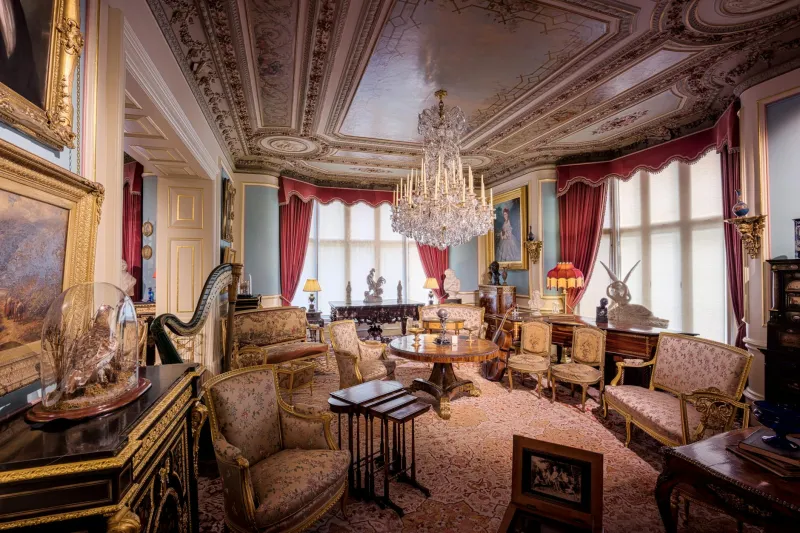
The Woman Who Didn't Exist
In the official records of the Confederacy, she was nobody. A domestic servant, barely worth mentioning. In the Union intelligence files, she was a ghost—no photographs, no detailed reports, just whispered references to information so valuable it helped win a war.
Mary Bowser spent the Civil War years dusting Jefferson Davis's desk, serving his meals, and listening to every conversation in the Confederate White House. What the Confederate President and his cabinet didn't know was that the quiet Black woman cleaning their offices was memorizing their battle plans, troop movements, and strategic discussions—then passing every detail to Union intelligence.
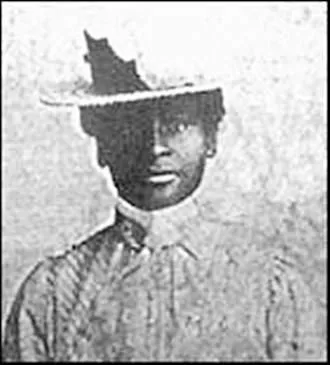 Photo: Mary Bowser, via alchetron.com
She was the spy they never saw coming because she was the person they'd trained themselves not to see.
The Making of an Invisible Agent
Mary Bowser's story begins in the 1840s on a Virginia plantation owned by John Van Lew. When John died, his daughter Elizabeth inherited the estate—and immediately began freeing the enslaved people her father had owned. Elizabeth Van Lew was an abolitionist in the heart of the Confederacy, and she had plans that went far beyond simple manumission.
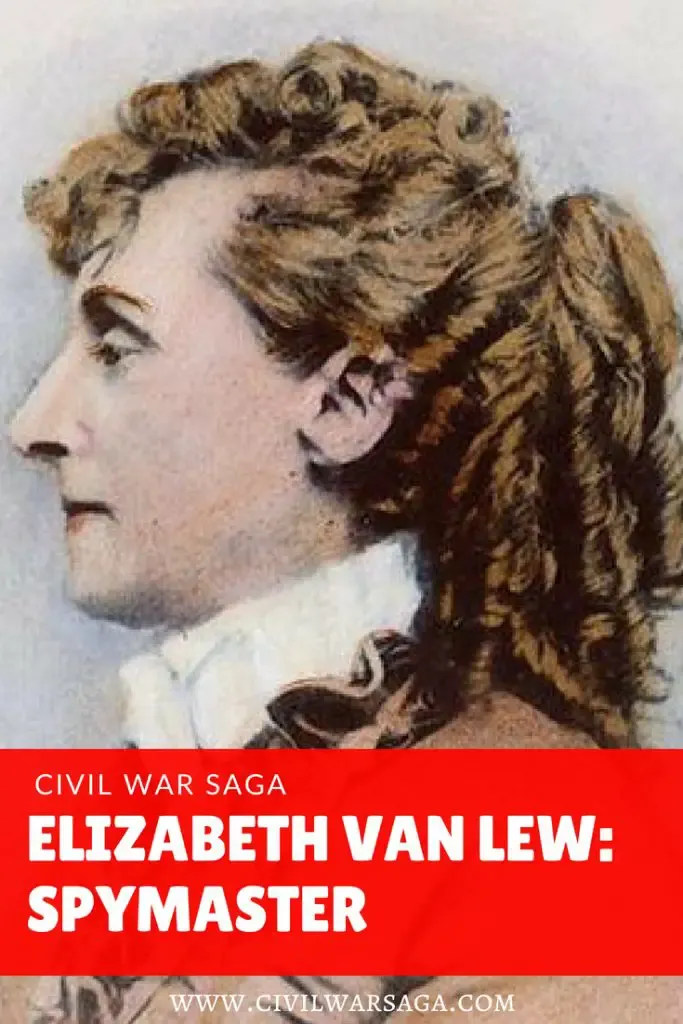 Photo: Elizabeth Van Lew, via civilwarsaga.com
Mary was among the freed slaves, but Elizabeth saw something special in the young woman. She arranged for Mary to be educated in Philadelphia, at a school for free Black children. This was radical for the time—a Southern white woman paying for a formerly enslaved person to receive an education that many white children never got.
Mary learned to read and write fluently. She studied history, mathematics, and literature. Most importantly, she developed what would become her greatest asset: a perfect memory. Teachers noted that Mary could recall entire conversations word for word, days or weeks after hearing them.
Nobody suspected they were training the perfect spy.
Going Back Behind Enemy Lines
When the Civil War erupted in 1861, Richmond became the capital of the Confederacy. Elizabeth Van Lew, still living in her family mansion, quietly organized one of the most effective spy rings in American history. She needed someone who could get inside the Confederate government, someone who would be invisible to the men making decisions about the war.
Mary Bowser volunteered for the most dangerous assignment imaginable: she would return to slavery.
Using her connections, Van Lew arranged for Mary to be "hired out" as a domestic servant to Jefferson Davis's household in the Confederate White House. To the Davis family and their staff, Mary appeared to be exactly what they expected: a enslaved woman, probably illiterate, certainly harmless.
They had no idea she was a college-educated intelligence operative with a photographic memory.
The Perfect Cover
Mary's position in the Confederate White House was intelligence gold. She cleaned Davis's office, where military maps covered the walls and strategic documents covered the desk. She served meals during cabinet meetings, standing silently in the corner while Confederate leaders debated troop movements, supply lines, and battle plans.
Because she was Black and enslaved, they spoke freely in front of her. In the Confederate mindset, she might as well have been furniture. They discussed the most sensitive military secrets as if she weren't there—because in their worldview, she wasn't really there at all.
What they didn't know was that Mary was absorbing every word. Her educated mind was analyzing their strategies, memorizing their plans, and identifying their weaknesses. She was running a one-woman intelligence operation from inside the enemy's command center.
The Information Pipeline
Getting the intelligence out was almost as dangerous as gathering it. Mary couldn't simply walk out of the Confederate White House with stolen documents. Instead, she used a network Elizabeth Van Lew had established throughout Richmond.
Sometimes Mary would pass information to other servants who were part of the spy ring. Sometimes she would hide coded messages in places where Van Lew's agents could retrieve them. The intelligence would then make its way north through a chain of contacts that eventually reached Union generals in the field.
The information Mary provided was extraordinarily valuable. She reported on Confederate troop strengths, battle plans, and supply shortages. She provided details about Richmond's defenses and the morale of Confederate leadership. Some historians believe her intelligence helped inform Union strategy during critical battles.
Living the Double Life
For nearly four years, Mary Bowser lived two completely different lives. By day, she was a enslaved domestic worker, invisible and voiceless. By night, she was a Union intelligence asset, one of the most important spies in American history.
The psychological pressure must have been enormous. One mistake, one suspicious glance, one overheard conversation could have meant death. Confederate authorities executed spies, and they would have shown no mercy to a Black woman caught stealing military secrets.
But Mary never broke character. She maintained her cover so perfectly that even decades after the war, some people who knew her in Richmond refused to believe she had been anything more than a servant.
The Escape
As the war neared its end and Union forces closed in on Richmond, Mary's position became increasingly dangerous. In early 1865, with the Confederate government preparing to evacuate the capital, she made her escape.
According to some accounts, Mary's final act was to try to burn down the Confederate White House. Whether or not this is true, it would have been a fitting end to her mission—the invisible woman finally making herself seen.
Mary disappeared into history after the war. Unlike other Civil War figures, she left behind no memoirs, no detailed records, no photographs. She had spent so long being invisible that she seems to have chosen to remain that way.
The Spy Who Saved a Nation
Mary Bowser's story challenges everything we think we know about the Civil War. While history books focus on generals and battles, one of the war's most important figures was a woman who was supposed to be powerless, voiceless, and invisible.
She turned the Confederacy's racism into a weapon against them. Their inability to see her as a full human being became her greatest asset. She used their blindness to hide in plain sight, gathering the intelligence that helped preserve the Union.
In a war where information was power, Mary Bowser had access to the most sensitive intelligence in the Confederacy. She used that access to help end slavery and preserve American democracy. She did it all while pretending to be exactly what her enemies expected her to be: nobody special.
The Ultimate Invisible Advantage
Mary Bowser's story is about more than espionage—it's about the power of being underestimated. In a world that had written her off as insignificant, she became indispensable. In a society that refused to see her potential, she realized it in ways that changed history.
She proved that invisibility can be a choice, not just a condition. Sometimes the most powerful position is the one nobody thinks matters. Sometimes the best way to change the world is to let the world think you can't.
Mary Bowser spent four years being overlooked, underestimated, and ignored. In return, she helped win a war and free a people. Not bad for someone who was supposed to be nobody at all.