Built by Nobodies: Seven Game-Changing Inventions That Came From Everywhere Except the Lab
The Seamstress Who Rewrote Fashion Forever
Invention: The Bra (1914)
Mary Phelps Jacob was getting dressed for a debutante ball when she hit a wall — literally. Her corset was so bulky it wouldn't fit under her sheer evening gown. With the party starting in an hour, she grabbed two silk handkerchiefs, some ribbon, and safety pins.
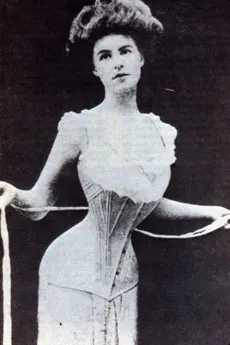 Photo: Mary Phelps Jacob, via www.phelpsfamilyhistory.com
Twenty minutes later, she'd created the first modern bra.
Mary wasn't an engineer or inventor. She was a 19-year-old socialite who simply refused to let uncomfortable underwear ruin her evening. But her quick fix revolutionized women's fashion and freedom of movement. She patented the design and later sold it to Warner Brothers Corset Company for $1,500 — a decision that cost her millions as the bra industry exploded.
The lesson? Sometimes the best innovations come from someone who's just tired of dealing with a stupid problem.
The Sharecropper's Son Who Lit Up America
Invention: The Carbon Filament Light Bulb (1879)
While Thomas Edison gets credit for the light bulb, the breakthrough that made it practical came from Lewis Latimer, the son of escaped slaves who taught himself electrical engineering by reading books at night.
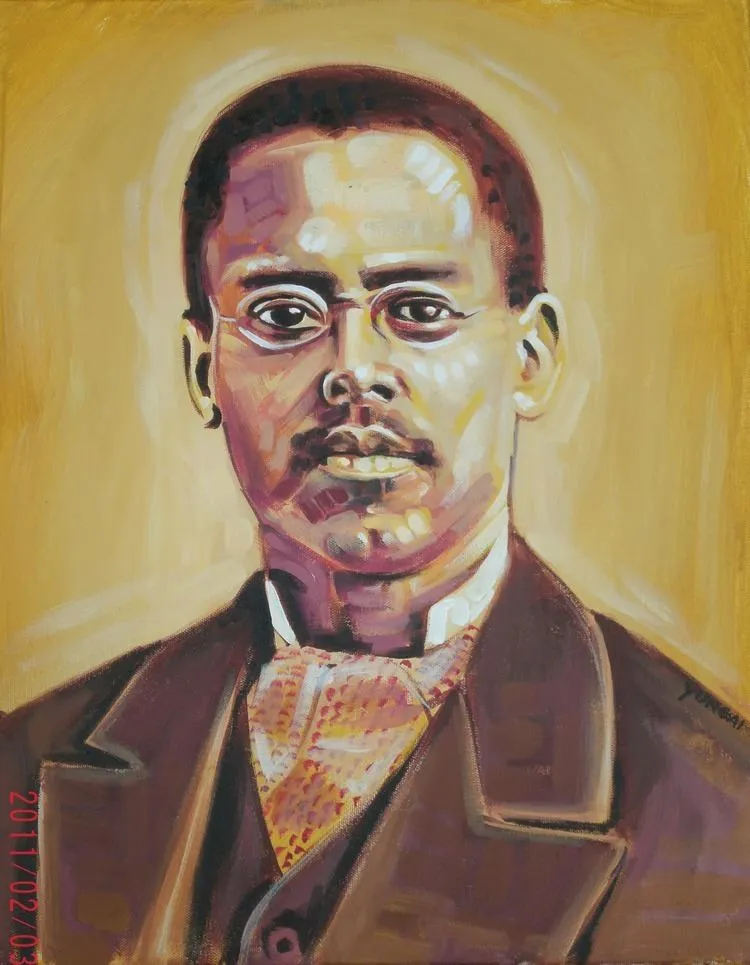 Photo: Lewis Latimer, via alchetron.com
Working as a draftsman, Latimer noticed that Edison's bamboo filaments burned out too quickly. Drawing on his childhood experience watching his mother preserve food, he experimented with carbon-coating techniques in his tiny apartment kitchen. His carbon filament lasted 1,000 hours — twenty times longer than Edison's original design.
Latimer's innovation made electric lighting affordable for ordinary Americans. Yet he remained largely unknown, overshadowed by the famous inventor whose work he'd perfected. He proved that genius doesn't always come with a famous name attached.
The Fired Teacher Who Fed America
Invention: Frozen Food Process (1923)
Clarence Birdseye was a terrible teacher. His students complained he spent more time looking out the window than explaining math problems. When he got fired from his third teaching job, he figured his career in education was over.
Desperate for work, he took a job as a fur trader in Labrador, Canada. There, he noticed something peculiar: fish caught in the brutal Arctic cold tasted fresh even months later. The locals explained that super-fast freezing preserved texture and flavor in ways slow freezing couldn't match.
Back in the States, Birdseye spent years perfecting a quick-freezing process using fans, brine, and metal plates. His "Birds Eye" frozen foods revolutionized American eating habits and launched a billion-dollar industry.
The failed teacher had accidentally discovered how to preserve summer's harvest all year round.
The Housewife Who Saved Thanksgiving
Invention: Disposable Paper Plates (1904)
After watching her husband nearly die from typhoid fever contracted at a public water fountain, Bessie Nesmith became obsessed with preventing the spread of germs through shared dishes.
A mother of three with no scientific training, Bessie started experimenting with wax-coated paper in her kitchen. She wanted to create plates that could be thrown away after one use, eliminating the risk of contamination from improperly washed dishes.
Her first paper plates were crude and leaked, but she kept refining the design. When she finally perfected a sturdy, leak-proof version, she pitched it to restaurants and hospitals. They laughed at the idea of "throwaway dishes."
World War I changed everything. Suddenly, disposable plates made sense for military mess halls and overwhelmed medical facilities. Bessie's invention became essential, launching the entire disposable tableware industry that now generates billions in revenue.
The Mechanic Who Revolutionized Communication
Invention: Answering Machine (1935)
Valdemar Poulsen was just a Copenhagen telephone mechanic tired of missing important calls while working on phone lines. With no formal engineering education, he started tinkering with magnetic wire recording in his workshop.
His breakthrough came when he realized he could use the same magnetic recording technology that captured sound to automatically answer telephone calls. The first answering machine was massive — about the size of a refrigerator — but it worked.
Poulsen's invention didn't catch on immediately. It took forty years and significant miniaturization before answering machines became common. But his basic concept — using magnetic recording to capture and play back messages — laid the groundwork for voicemail systems that billions of people use today.
The Waitress Who Changed How We Eat
Invention: Automatic Coffee Maker (1954)
Gottlob Widmann worked double shifts at a Milwaukee diner, serving coffee to factory workers around the clock. She was exhausted from constantly brewing fresh pots and frustrated that customers complained when coffee sat too long on the burner.
Using parts from a broken alarm clock and some copper tubing, Gottlob built a device that would automatically start brewing fresh coffee at preset times. Her contraption looked like a science experiment, but it produced perfect coffee without any human intervention.
Diner customers were amazed. Soon, other restaurants wanted Gottlob's "automatic coffee maker." She patented the design and licensed it to appliance manufacturers. Her invention became the foundation for every automatic drip coffee maker in American kitchens today.
The Janitor Who Cleaned Up Crime
Invention: Bulletproof Vest (1975)
Richard Davis was mopping floors at a Detroit police station when he overheard officers discussing a colleague who'd been shot. The conversation haunted him — these men risked their lives daily with no real protection.
 Photo: Richard Davis, via zwickersgallery.ca
With no military or engineering background, Davis started researching body armor in the public library. He learned that layers of strong fabric could absorb and distribute the impact of bullets. Using his life savings, he bought surplus military fabric and began sewing experimental vests in his basement.
His first prototypes were bulky and uncomfortable, but they worked. Davis tested them by shooting himself 192 times — a dangerous demonstration that proved his vests could save lives. Police departments started ordering his "Second Chance" vests, and Davis's company became the largest body armor manufacturer in America.
The janitor's invention has saved thousands of police officers' lives.
The Pattern That Connects
These inventors shared something more important than genius: they refused to accept that problems were someone else's job to solve. They didn't wait for permission from experts or funding from institutions. They saw something broken and fixed it themselves.
In an age when innovation seems increasingly dominated by well-funded labs and tech giants, these stories remind us that breakthrough ideas can come from anywhere. Sometimes the best solutions come not from people who know all the rules, but from people who don't know enough to follow them.
The next time you use any of these inventions — putting on a bra, eating frozen food, checking voicemail, drinking automatic coffee, or seeing a police officer in body armor — remember they came from ordinary people who simply refused to accept the status quo.
Maybe the question isn't who has the right credentials to innovate. Maybe it's who has the right problem and enough determination to solve it.