The University Behind Bars: How 27 Years in Prison Forged History's Most Unlikely World Leader

The Classroom No One Chose
When Nelson Mandela walked into his cell on Robben Island in 1964, he faced a sentence that would have destroyed most people: 27 years of hard labor, isolation, and systematic dehumanization. The apartheid government intended to break him—instead, they accidentally enrolled him in the most unconventional leadership program in history.
 Photo: Robben Island, via sahighcommission.co.nz
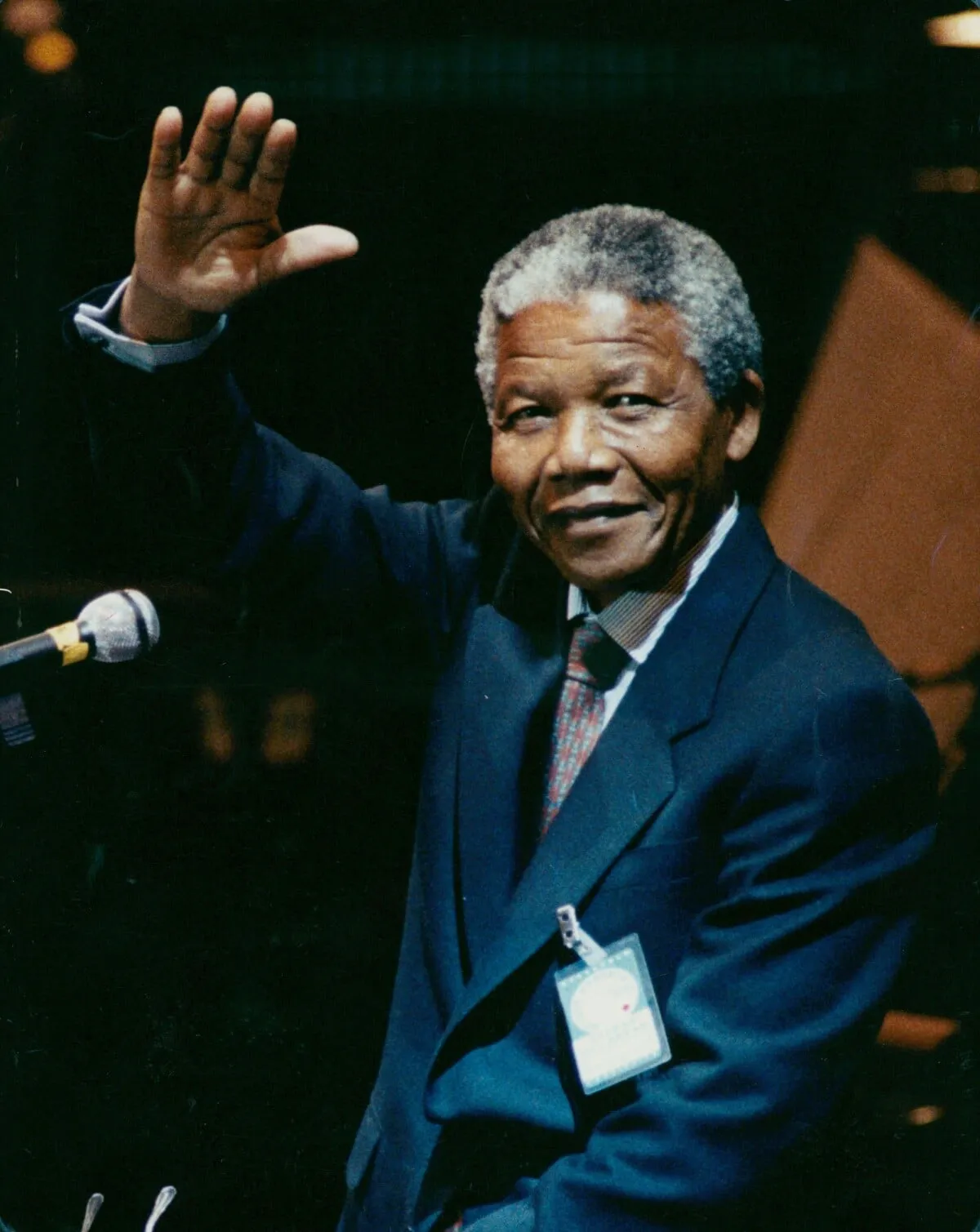 Photo: Nelson Mandela, via static1.purepeople.com
Mandela was 46 years old, a trained lawyer and seasoned activist, but Robben Island would teach him things no law school or political movement could. The prison became his graduate program in human psychology, negotiation, and the kind of patient, strategic thinking that changes the world.
Building Influence Without Authority
Here's what makes Mandela's story extraordinary from a leadership perspective: he had zero formal power. No title, no resources, no platform. Just a limestone quarry, a concrete cell, and the most diverse group of political prisoners South Africa had ever assembled.
 Photo: South Africa, via citynomads.com
Yet within years, Mandela had become the unofficial leader not just of his fellow prisoners, but of guards, administrators, and eventually the entire anti-apartheid movement. How do you build that kind of influence when you literally own nothing?
Mandela's approach was counterintuitive. Instead of raging against his captors, he studied them. He learned Afrikaans—the language of his oppressors—not to surrender, but to understand their psychology. He read their literature, studied their history, and began to see the world through their eyes.
This wasn't Stockholm syndrome. It was strategic intelligence gathering at the highest level.
The Daily Discipline of Character
Prison strips away everything except who you really are. Mandela used this brutal clarity to rebuild himself from the ground up. His daily routine became a masterclass in self-discipline and continuous improvement.
Every morning at 5:30 AM, Mandela began with an hour of exercise in his cell. Not just physical fitness—mental preparation for the day ahead. He treated each day like a CEO treats board meetings: with preparation, purpose, and clear objectives.
He read voraciously, turning his cell into a private library. Shakespeare, Churchill, Kennedy—he studied leadership across cultures and centuries. But more importantly, he studied his fellow prisoners, learning from men who had led unions, churches, and resistance movements across Africa.
The Art of Impossible Negotiations
The most remarkable aspect of Mandela's prison education was how he learned to negotiate with people who hated him. Think about the complexity: he needed to maintain credibility with fellow prisoners who wanted revolution, while building relationships with guards and officials who saw him as a terrorist.
Mandela mastered what business schools now call "principled negotiation." He learned to separate people from positions, to find common ground without compromising core values, and to build trust even with enemies.
One story captures this perfectly: when a young, aggressive guard began harassing prisoners, instead of filing complaints, Mandela engaged him in conversation. He learned about the guard's family, his fears about the changing political landscape, his economic insecurity. Within months, that guard became one of Mandela's most reliable allies.
The Network That Changed a Nation
Robben Island housed the most educated, experienced, and committed activists in South Africa. Mandela recognized this wasn't just a prison—it was an unprecedented networking opportunity. He turned meal times into strategy sessions, exercise periods into leadership seminars, and work details into coalition-building exercises.
By the 1980s, when political negotiations finally began, Mandela had spent two decades building relationships with every major faction in the anti-apartheid movement. He understood their motivations, their fears, and their non-negotiables. When the time came to unite a fractured movement, he had already done the groundwork.
The Psychology of Forgiveness
Perhaps Mandela's greatest leadership insight came from understanding the psychology of his oppressors. He realized that white South Africans weren't just racist—they were terrified. They feared economic collapse, social chaos, and personal revenge.
Instead of exploiting that fear, Mandela addressed it. His message wasn't "we're going to take everything from you"—it was "we're going to build something together." This wasn't weakness; it was sophisticated psychological leadership.
When Mandela finally walked free in 1990, he didn't emerge as a bitter revolutionary. He had transformed into something more dangerous to the apartheid system: a unifying leader who could speak to everyone's hopes rather than just their anger.
Lessons from the Limestone Quarry
Mandela's prison experience offers timeless leadership principles that apply far beyond politics:
Influence comes from character, not position. Mandela built massive influence without any formal authority by consistently demonstrating integrity, wisdom, and genuine concern for others.
Study your opponents. The time Mandela spent understanding Afrikaner culture and psychology became crucial when negotiations began. He could speak to their concerns because he had taken the time to understand them.
Build coalitions before you need them. Mandela spent decades building relationships with fellow prisoners who would later become key political allies.
Use constraints as creative forces. Prison limitations forced Mandela to develop patience, strategic thinking, and emotional intelligence that served him throughout his presidency.
The Graduate Program That Changed History
When Mandela became South Africa's first Black president in 1994, observers marveled at his ability to unite a divided nation. But his leadership skills weren't mysterious—they were the result of 27 years of intensive, real-world education in human psychology, negotiation, and coalition building.
Robben Island didn't break Nelson Mandela. It forged him into exactly the leader South Africa needed at its most critical moment. The prison that was meant to silence him became the classroom that prepared him to speak to the world.
Mandela's story proves that leadership isn't about the platform you're given—it's about what you do with whatever circumstances you find yourself in. Sometimes the most powerful leaders emerge from the places where power seems most absent.
In business, politics, or any field where influence matters, Mandela's prison years offer a masterclass in building authority through authenticity, influence through understanding, and power through service to something larger than yourself.