When Everything Burns: Six Americans Who Lost It All and Built Something Better
When the Waters Rose, So Did She
Marie Williams - New Orleans, Louisiana
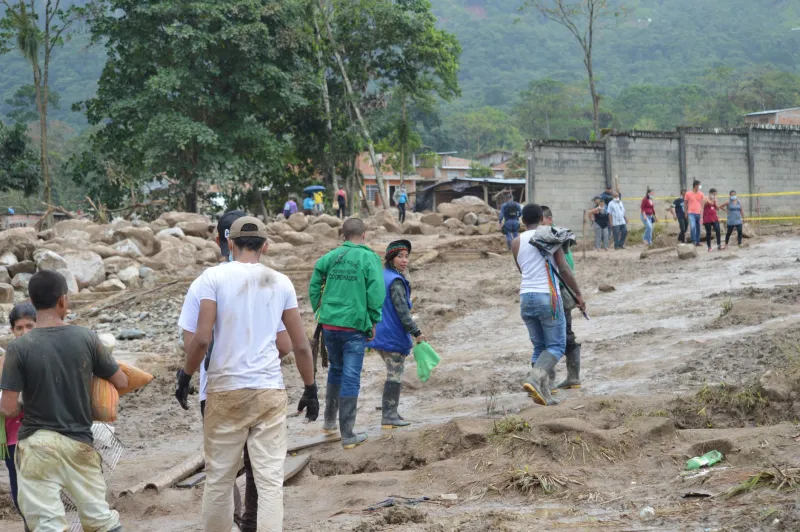
 Photo: New Orleans, via comicvine.gamespot.com
Marie Williams lost everything in Hurricane Katrina except her teaching certificate and an unshakeable belief that kids need school to heal. When the floodwaters receded from New Orleans' Lower Ninth Ward in 2005, Williams stood in the wreckage of her home and made a decision that would change hundreds of lives.
Instead of evacuating permanently like many of her neighbors, Williams set up a makeshift classroom in a FEMA trailer. She had no supplies, no funding, and no official authorization—just a handful of displaced children whose parents were desperate for normalcy.
That trailer became the seed of the Lower Ninth Ward School Recovery Project. Williams spent her insurance settlement not on rebuilding her house, but on educational supplies and temporary classroom space. She convinced other displaced teachers to join her volunteer effort, creating an informal school that served 200 students within six months.
Today, Williams runs three charter schools in rebuilt New Orleans neighborhoods, serving over 1,500 students. The schools have become community anchors, offering not just education but job training for parents, community gardens, and after-school programs that keep kids engaged and safe.
"Katrina took my house," Williams says, "but it showed me my real calling wasn't teaching in someone else's classroom—it was building the schools my community actually needed."
From Ashes to Innovation
David Chen - Paradise, California
The Camp Fire of 2018 incinerated Paradise, California in four hours, destroying 95% of the town including David Chen's electronics repair shop and family home. Chen, a second-generation immigrant who had spent 15 years building his small business, watched his life's work disappear in real-time through security camera footage.
But Chen noticed something in those final moments before his cameras went dark: his solar panel system kept transmitting data even as flames surrounded the building. That observation sparked an idea that would revolutionize wildfire preparedness.
Using his insurance payout and a small business loan, Chen developed a network of solar-powered emergency communication devices designed specifically for wildfire zones. His "FireComm" system creates mesh networks that maintain communication even when traditional infrastructure fails.
Chen's innovation caught the attention of Cal Fire and emergency management agencies across the West. His company, rebuilt from the ashes of his repair shop, now employs 50 people and has installed early warning systems in over 200 at-risk communities.
"The fire taught me that technology isn't just about fixing what's broken," Chen reflects. "Sometimes you have to build something entirely new to solve problems you never knew existed."
The Hurricane That Built a Hospital
Dr. Patricia Rodriguez - Rockport, Texas
Hurricane Harvey destroyed Dr. Patricia Rodriguez's family practice in Rockport, Texas, along with the town's only urgent care facility. For a community of 10,000 people, losing both medical facilities meant driving 45 minutes to Corpus Christi for anything more serious than a bandage.
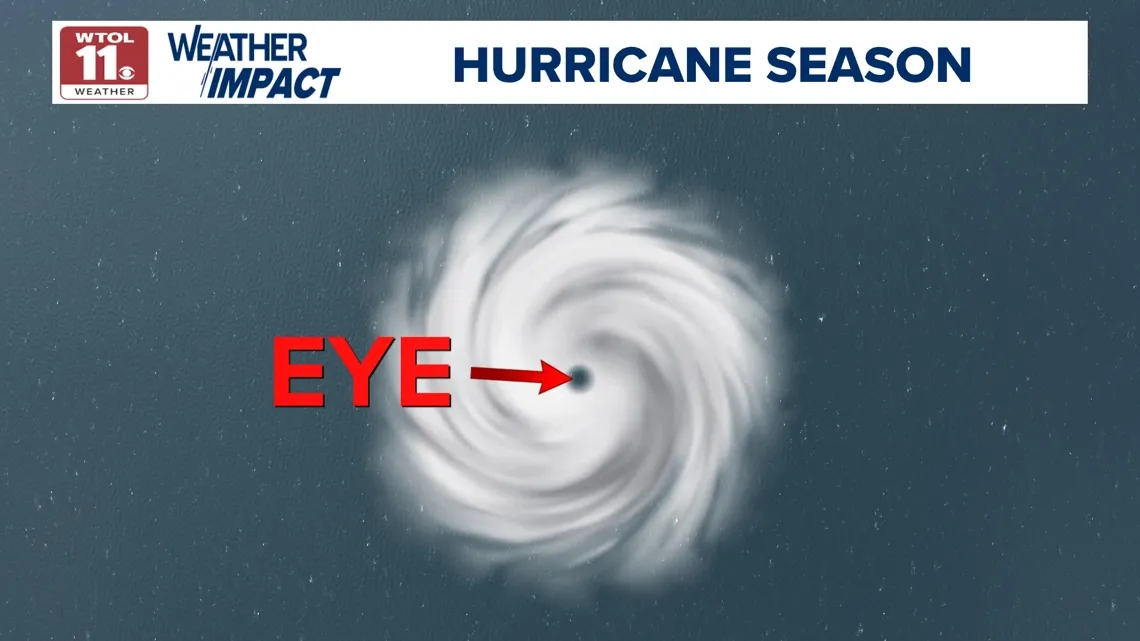 Photo: Hurricane Harvey, via media.wtol.com
Rodriguez, who had served Rockport for 12 years, faced a choice: relocate to a larger city with better opportunities, or figure out how to rebuild healthcare infrastructure in a town that might never fully recover.
She chose option three: reimagine what rural healthcare could look like.
Rodriguez used her disaster relief funds to purchase a fleet of mobile medical units—essentially hospitals on wheels. Instead of waiting for patients to come to a fixed location, she brought comprehensive medical care directly to neighborhoods, schools, and workplaces.
The mobile approach proved so effective that Rodriguez expanded beyond disaster recovery. Her "Coastal Care Network" now serves five rural Texas communities, providing everything from routine checkups to minor surgery. The model has been studied by healthcare systems across the country as a solution for rural medical deserts.
"Harvey didn't just destroy my practice," Rodriguez says. "It forced me to question why we do healthcare the way we do. Sometimes you need to lose everything to see better solutions."
The Flood That Launched a Movement
James Thompson - Cedar Rapids, Iowa
The 2008 Iowa floods turned James Thompson's neighborhood into an inland sea, destroying his home and the small community center where he coached youth basketball. Thompson, a city maintenance worker, had spent weekends for five years running free sports programs for kids in one of Cedar Rapids' most underserved areas.
When the floodwaters receded, Thompson found himself in a refugee camp with 200 displaced families—many of them parents of the kids he had coached. Instead of focusing on his own losses, Thompson organized activities to keep the children occupied and give parents time to handle insurance claims and housing searches.
Those informal refugee camp programs evolved into something much larger. Thompson realized that disasters don't just destroy buildings—they destroy the social networks that hold communities together. His solution was "Recovery Sports," a nonprofit that uses athletics to rebuild community connections after disasters.
Recovery Sports now responds to disasters across the Midwest, sending volunteer coaches to set up sports programs in emergency shelters and temporary housing. The organization has served over 10,000 displaced children and trained hundreds of volunteers in trauma-informed youth programming.
"I lost my house in that flood," Thompson says, "but I found my life's work. Sometimes disaster shows you what really matters—and it's not the stuff you can insure."
When Fire Sparked Innovation
Sarah Mitchell - Sonoma County, California
The Tubbs Fire of 2017 destroyed Sarah Mitchell's organic farm and the farm-to-table restaurant she had spent eight years building in Sonoma County. Mitchell, a former tech worker turned sustainable agriculture advocate, lost not just her business but her entire vision of how food systems could work.
But the fire also revealed something unexpected: in the chaos of evacuation and recovery, neighbors were sharing resources and supporting each other in ways that had disappeared from modern suburban life. Mitchell realized that disasters create temporary communities that often function better than the permanent ones they replace.
Mitchell used her insurance settlement to create "Neighborhood Resilience Hubs"—community spaces designed to function both as normal gathering places and as emergency resource centers. Each hub features community kitchens, tool libraries, seed banks, and communication systems that activate automatically during disasters.
The model has spread to 15 communities across California, with funding from both private foundations and government resilience programs. Mitchell's hubs serve as proof that disaster preparedness doesn't have to be about individual survival—it can be about building stronger communities.
"The fire burned down my farm," Mitchell says, "but it planted seeds for something I never could have imagined—communities that actually take care of each other."
The Storm That Launched a Thousand Ships
Captain Mike Rodriguez - Houston, Texas
Hurricane Harvey flooded Captain Mike Rodriguez's charter fishing business and destroyed his fleet of three boats. Rodriguez, a Coast Guard veteran, had spent 20 years building his business taking tourists and fishing enthusiasts into the Gulf of Mexico.
But during Harvey's aftermath, Rodriguez discovered his real calling wasn't taking people fishing—it was using boats to save lives. He spent the hurricane's peak coordinating an informal navy of pleasure craft owners who rescued over 2,000 people from flooded Houston neighborhoods.
The experience convinced Rodriguez that disaster response needed better coordination between official emergency services and civilian volunteers. He used his insurance money to create "Citizen Sailor," a nonprofit that trains recreational boat owners in water rescue techniques and coordinates volunteer marine response during disasters.
Citizen Sailor now has chapters in 12 coastal states and has responded to six major flooding events. The organization has trained over 5,000 volunteer boat operators and maintains databases of available watercraft that can be activated within hours of a disaster declaration.
"Harvey sank my business," Rodriguez says, "but it launched something more important—a network of ordinary people ready to help when the water rises. Sometimes losing everything is how you find out what you're actually meant to do."
The Pattern in the Chaos
These six stories share a common thread: when everything external was stripped away, each person discovered internal resources they didn't know they possessed. More importantly, they realized that rebuilding didn't have to mean restoring what was lost—it could mean creating something better.
Natural disasters reveal both human vulnerability and human resilience. They destroy the infrastructure we depend on, but they also destroy the assumptions that prevent us from imagining better solutions.
For Marie Williams, David Chen, Dr. Rodriguez, James Thompson, Sarah Mitchell, and Captain Rodriguez, total loss became total freedom—the freedom to rebuild not just their own lives, but their entire communities in ways that serve everyone better.
Sometimes it takes losing everything to discover what you're actually capable of building.