Late Bloomers Who Rewrote the Rules: When Life's Best Chapters Start After 50

The Cultural Lie We've Been Sold
America has a youth obsession problem. We celebrate the 22-year-old tech billionaire and the overnight sensation, as if success that comes early is somehow more valid than success that comes later. But what if we've got it backwards? What if the most interesting stories begin precisely when society expects them to end?
Meet the late bloomers—the Americans who discovered their calling, launched their empires, and changed their worlds after the age of 50. Their stories don't fit the narrative we've been sold, which is exactly why they're worth telling.
Anna Mary Robertson Moses: Grandma Moses
Started painting seriously: Age 78
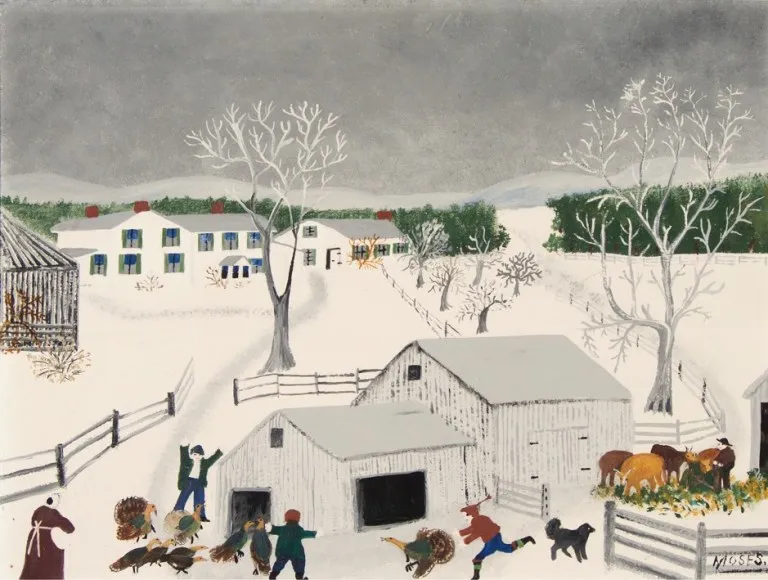 Photo: Anna Mary Robertson Moses, via img.artlogic.net
Peak success: Age 80-90
Anna Mary Robertson Moses spent the first 78 years of her life doing what rural American women of her generation did: she raised ten children, worked a farm, and made ends meet. Art was something she dabbled in—embroidery, mainly, when her hands weren't busy with everything else.
Then arthritis made embroidery impossible. A friend suggested she try painting instead. Moses picked up a brush at 78 and discovered she had something to say.
Her paintings of rural American life caught the attention of a New York art collector who was driving through upstate New York. He bought everything she had and arranged for her first exhibition. By age 80, Grandma Moses was a national sensation. Her paintings were selling for thousands of dollars, and she was appearing on television shows and magazine covers.
She painted over 1,500 works between ages 78 and 101, proving that sometimes you have to live a full life before you have something worth painting.
Ray Kroc: The McDonald's Empire Builder
Started McDonald's franchise: Age 52
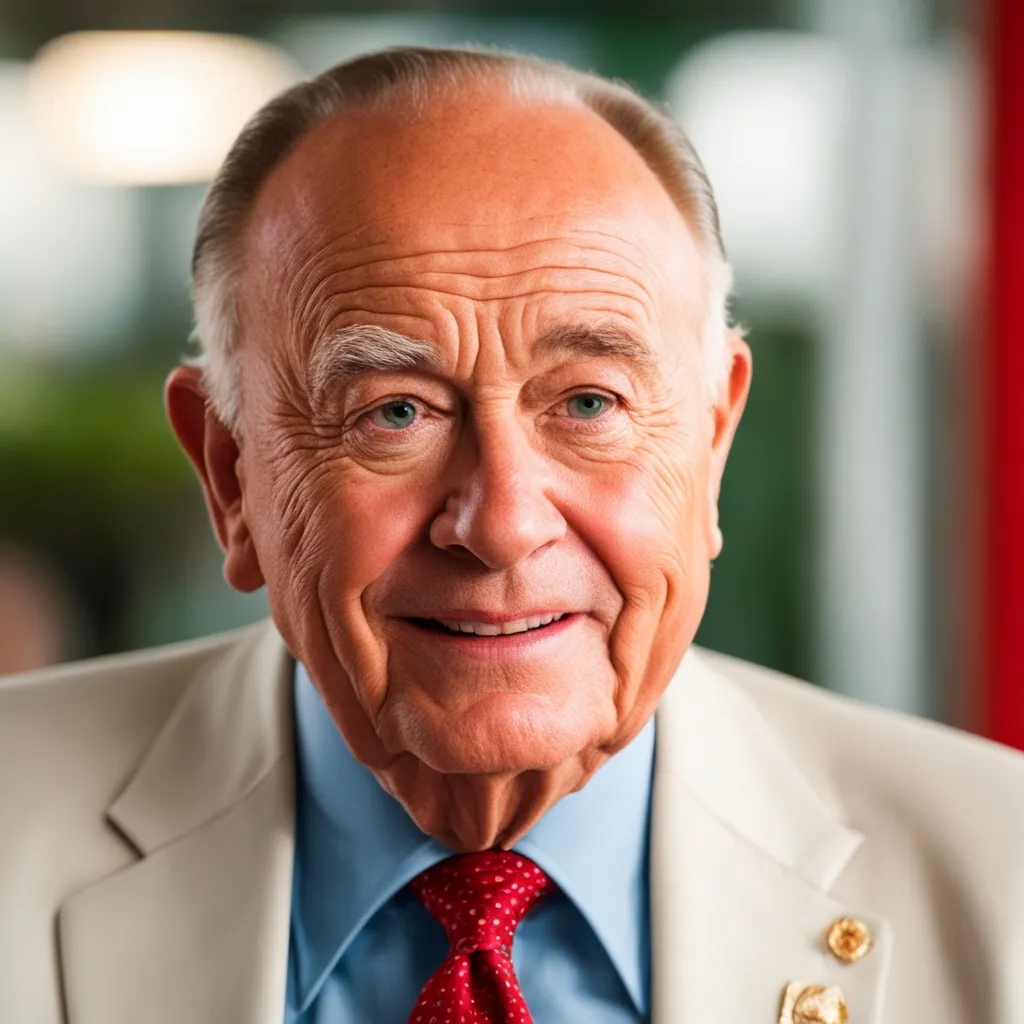 Photo: Ray Kroc, via images.deepai.org
Built global empire: Ages 52-75
Ray Kroc had spent 30 years as a traveling milkshake machine salesman when he walked into a small burger joint in San Bernardino, California, in 1954. He was 52, tired of the road, and looking for one last big opportunity.
What he found were two brothers, Dick and Mac McDonald, who had created an efficient system for making hamburgers fast. Kroc didn't invent the Big Mac or the golden arches, but he saw something the McDonald brothers didn't: a system that could be replicated anywhere in America.
Kroc bought the franchise rights and opened his first McDonald's in Des Plaines, Illinois, at age 55. By the time he died at 81, McDonald's was a global empire with thousands of locations. The man who had spent three decades selling milkshake machines had become the architect of fast food.
His secret wasn't youth or innovation—it was experience. Thirty years of visiting restaurants across America had taught him exactly what worked and what didn't. When his moment came, he was ready.
Laura Ingalls Wilder: The Little House Legacy
Published first book: Age 65
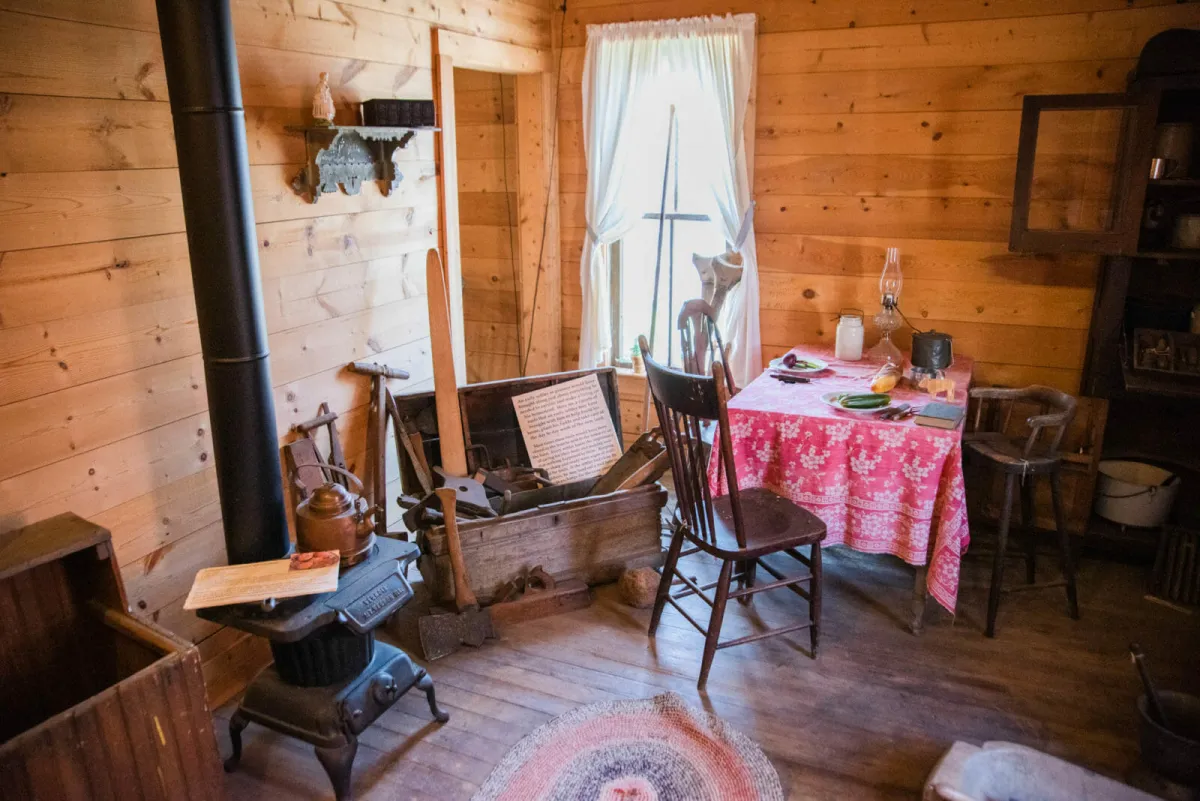 Photo: Laura Ingalls Wilder, via throughjuliaslens.com
Completed series: Age 76
Laura Ingalls Wilder had lived the American frontier experience: covered wagon migrations, one-room schoolhouses, harsh winters, and harder times. By 1932, she was 65 and living quietly on a farm in Missouri with her husband, Almanzo.
Then her daughter, Rose Wilder Lane, suggested she write down the stories she'd been telling for decades. The result was "Little House in the Big Woods," published when Wilder was 65. It was followed by seven more books that would become the "Little House" series.
Wilder's books weren't just children's literature—they were historical documents written by someone who had actually lived through the closing of the American frontier. Her age wasn't a disadvantage; it was her greatest asset. She had the perspective that only comes from having lived through history.
The series made her wealthy and famous in her 70s and 80s, and continues to sell millions of copies decades after her death. Sometimes the best stories can only be told by people who have lived long enough to understand what they mean.
Frank McCourt: From Teacher to Pulitzer Winner
Published first book: Age 66
Won Pulitzer Prize: Age 67
Frank McCourt spent 30 years teaching high school English in New York City, telling his students stories about growing up poor in Ireland. They loved the stories, but McCourt never thought to write them down.
After retiring at 66, McCourt finally sat down to write his memoir. "Angela's Ashes" was published when he was 66 and won the Pulitzer Prize for Biography when he was 67. The book became an international bestseller and was adapted into a major motion picture.
McCourt had been carrying these stories for decades, but it took retirement to give him the time and perspective to craft them into literature. His teaching career hadn't been a detour from his writing career—it had been preparation for it.
Kathryn Joosten: From Psychiatric Nurse to Emmy Winner
Started acting professionally: Age 42
Won Emmy Awards: Ages 66 and 67
Kathryn Joosten worked as a psychiatric nurse in Chicago for 20 years, raising her two sons as a single mother. Acting was something she did in community theater for fun, not money.
At 42, after her youngest son graduated high school, Joosten made a decision that seemed crazy to everyone who knew her: she moved to Los Angeles to become an actress. She was middle-aged, unknown, and starting from scratch in the world's most youth-obsessed industry.
Joosten spent her 40s and 50s taking small roles and building her craft. Then, at 61, she was cast as Karen McCluskey on "Desperate Housewives." The role made her famous and earned her two Emmy Awards at ages 66 and 67.
She proved that in acting, as in life, authenticity beats youth. Her years as a nurse, a mother, and a survivor had given her a depth that couldn't be taught in acting school.
The Advantage of Age
These late bloomers share something more valuable than youth: they had time to figure out what they were actually good at. They'd lived through failure, disappointment, and setback. They'd raised families, held jobs, and accumulated the kind of life experience that can't be downloaded or disrupted.
When their moments came, they were ready—not because they were young and hungry, but because they were wise and patient.
Rewriting the Success Story
In a culture that treats 30 as over the hill and 50 as retirement-adjacent, these stories matter. They remind us that some wines improve with age, some stories can only be told by people who have lived them, and some dreams are worth waiting for.
The next time someone tells you it's too late to start over, remember Grandma Moses picking up her first paintbrush at 78, or Ray Kroc opening his first McDonald's at 55. Remember that the best chapters of your story might be the ones you haven't written yet.
Age isn't a limitation—it's a secret weapon. And sometimes the most extraordinary lives begin exactly when the world expects them to end.